Strasbourg Newborn Photographers Reveal Exactly How They Keep Posed Baby Photos Safe in 2026
Discover how Strasbourg newborn photographers ensure 100% posed baby photo safety in 2026—expert techniques, hygiene rules, and gentle handling revealed.
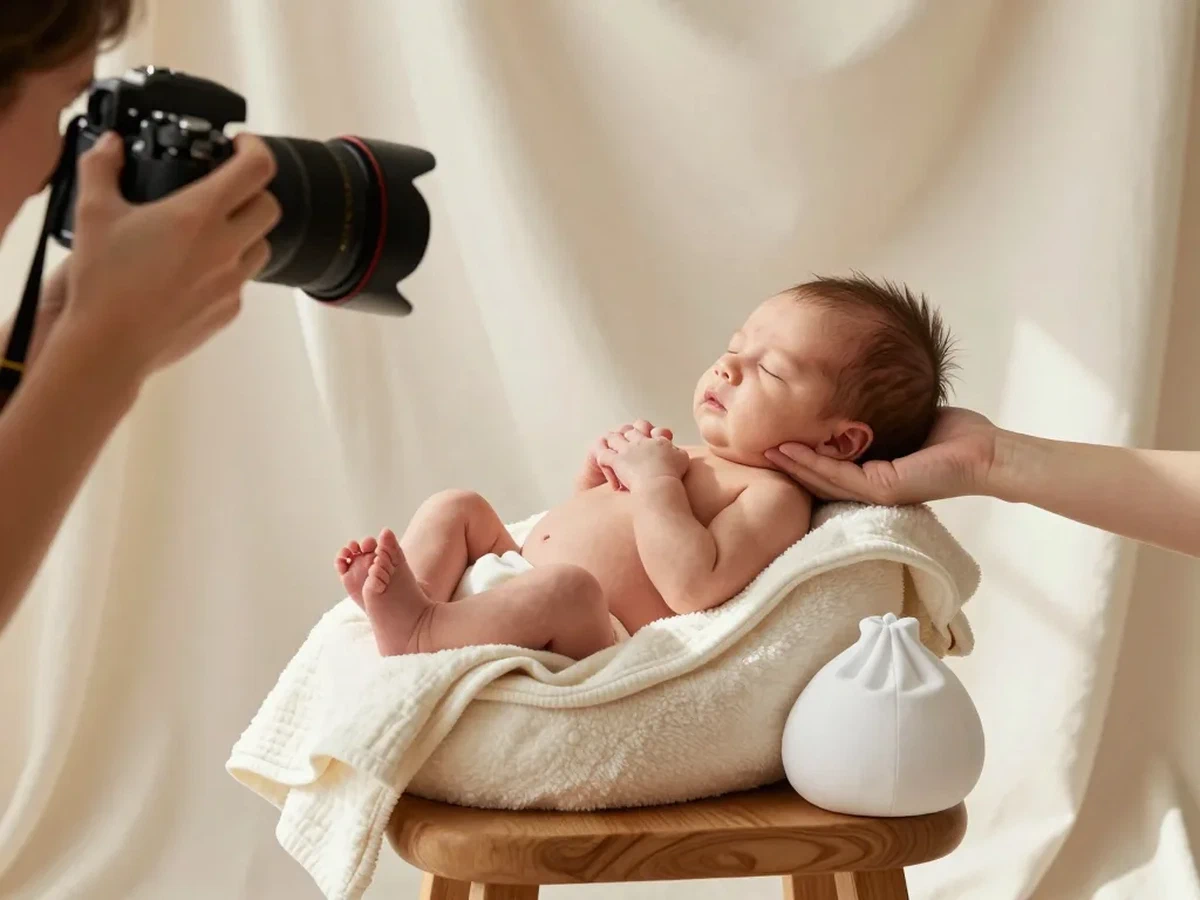
Every scroll of a feed brings a new viral image, yet the sight of a peacefully posed newborn—curled like a tiny rosebud—still stops us cold. Behind those dreamy backdrops and delicate wraps, every new parent in Strasbourg asks the same question: Is this actually safe? By 2026, the city’s top newborn photographers have answered with stricter safety protocols, advanced prop engineering, and a zero-compromise approach to infant physiology. They pull back the curtain on how those stunning, curled poses are achieved without ever risking a baby’s breathing, spine, or comfort. The result? Peace of mind to trust the art, not just admire it.
Understanding the Legal and Medical Framework in 2026
French Public Health Code Requirements for Newborn Handlers
In 2026, the legal baseline for anyone who professionally handles a newborn—photographers included—comes straight from the French Public Health Code. Anyone in direct contact with infants must show proof of up-to-date vaccinations against pertussis, diphtheria, tetanus, and polio. That’s not a suggestion; it’s a compliance requirement. For Strasbourg newborn photographers, this means keeping a personal vaccination record that’s current and verifiable. Reputable studios keep a copy on file and often show it to parents before the session even starts. The Code also implies basic hygiene: thorough hand washing with antibacterial soap immediately before handling the baby, re-washing between poses if the photographer touches their own face or hair, and sanitizing every surface, prop, or fabric that touches the infant’s skin. In practice, that means hospital-grade disinfectant wipes on posing beans, wraps, and hands between setups. Parents in Strasbourg should see this protocol in action—not just hear about it.
Why Posed Newborn Photography Is Not a Regulated Medical Profession
Newborn photographers are not medical professionals, and it’s crucial for parents to understand that. Unlike midwives or pediatric nurses, photographers in France don’t need a specific medical license to pose a baby. The state doesn’t regulate the artistic or technical side of newborn photography. But that lack of oversight doesn’t mean a lack of standards. In 2026, reputable Strasbourg photographers voluntarily follow international newborn safety guidelines—most often those from the American Academy of Pediatrics and the European Newborn Photographer Safety Consensus. These cover safe positioning (never placing a baby on their stomach unless the photographer’s hands support the head and neck at all times), temperature control, and a ban on any pose that restricts airflow or pressures the spine. This voluntary compliance is what separates a safe professional from an amateur with a camera. Parents should ask directly which safety guidelines the photographer follows, and request a walk-through of a specific pose before the baby is placed in it. A confident, safe photographer welcomes that scrutiny; a hesitant one should raise a red flag.
Preparing the Session Environment for Maximum Safety
Before a single wrap is folded or a tiny finger is posed, the environment itself must be engineered for safety. In Strasbourg, where winters bite and summers surprise, this is non-negotiable. Temperature control comes first. Pediatric guidelines for posed newborn sessions recommend 24–26°C, whether we’re in a dedicated home studio or a client’s living room. We never guess. A reliable room thermometer sits near the posing area, and we adjust heating or cooling before the baby is undressed. Airflow matters too: gentle, indirect circulation is fine, but direct drafts from an open window, ceiling fan, or AC vent are strictly off-limits. A newborn cannot regulate their own body temperature, and a sudden chill can trigger respiratory distress. Overheating is just as dangerous, so every few minutes we check the baby’s neck and the back of it with the back of our hand. If they feel clammy or flushed, we pause, remove a layer, or let them feed and settle before continuing.
The second pillar is rigorous sanitization of everything that touches the baby. In 2026, Strasbourg’s professional standard is uncompromising: all props, wraps, and surfaces must be washable, non-toxic, and free of small parts that could choke. Our cleaning routine is a checklist, not an afterthought. Fabric items—minky blankets, muslin wraps, knitted bonnets, posing bags—are washed at high temperature, at least 60°C, with a hypoallergenic, fragrance-free detergent after every session. Hard surfaces, including the posing beanbag, wooden crates, and acrylic or ceramic props, are wiped down with a baby-safe disinfectant proven against common pathogens but leaving no toxic residue. Anything that can’t be fully sanitized—say, a vintage lace blanket whose delicate threads would degrade in a hot wash—is removed from rotation immediately and never used again. We also favor breathable, natural fabrics like organic cotton and bamboo viscose, which reduce skin irritation and wick moisture away, preventing heat rash and the clammy discomfort that makes babies fussy and unsafe to pose. By controlling the climate and sterilizing every surface, we create a controlled, predictable bubble where the only variable is the baby’s own comfort—and that is exactly how we keep them safe.
Scheduling Within the First 14 Days After Birth
Why the First Two Weeks Are Ideal for Deep Sleep Posing
Pediatric sleep experts recommend scheduling posed newborn sessions within the first 14 days after birth. During this narrow window, a newborn’s neurological system is still wired for prolonged deep sleep. This state—often called “milk drunk” or “sleepy bliss”—keeps the baby limp and pliable, so gentle flexion and tucking feel natural and safe. In Strasbourg, where family rhythms often blend French and German parenting philosophies, photographers typically book sessions for days 5 through 10. That timing balances two needs: the baby remains deeply sleepy, while parents have had a few days to recover from delivery and settle into basic feeding routines. Day 5 also gives a midwife or pediatrician time to spot and manage any initial jaundice or latch issues before the session. Crucially, safety always overrides the schedule. If the baby shows signs of distress, poor color, or simply refuses to settle, the photographer will stop or reschedule without penalty. In 2026, most Strasbourg studios hold a “flexible slot” policy, happily moving a session by 48 hours if the baby is not in an optimal state.
Recognizing Signs of Distress and When to Abort a Pose
A safe photographer is more than a stylist—they are a trained observer. Throughout the session, they continuously monitor the baby’s color, breathing rhythm, and body tension. Red flags include sudden fussing, skin mottling (a patchy, marble-like appearance), a rapid shift in breathing pattern, or stiffening of the arms and legs. The moment any of these appear, the pose is abandoned immediately, no exceptions. A baby might tolerate a froggy pose for three minutes, but if their lips begin to pale or their breathing turns shallow, the photographer gently returns them to a neutral, side-lying position and soothes them. Parents are actively encouraged to trust their instincts. A professional will never push a baby into a pose that causes discomfort, even if it means missing a “signature” shot. In practice, a session might yield only two or three fully posed images instead of ten—and that is perfectly acceptable. Reputable Strasbourg photographers also refuse to use chin rests, weighted blankets, or any prop that restricts airflow. For a standard 2-hour posed session in the city center, expect to invest from €180 to €350, with a full gallery of digitally edited images included. That price reflects not just the photographer’s time, but their training in infant safety and their willingness to abandon a pose at a moment’s notice.
Core Safety Principles for Every Posed Photograph
In 2026, safe newborn photography in Strasbourg rests on two non-negotiable principles that every professional studio follows to the letter. These aren’t just best practices—they’re the standard of care separating responsible artists from risky operators.
Never Forcing a Pose and Using a Spotter at All Times
The golden rule in 2026: no baby is ever forced into a position. A pose is attempted only if the newborn naturally settles into it, and a spotter—an assistant or parent—stays within arm’s reach for every shot. The spotter’s job is to catch or support the baby instantly if movement occurs, and they’re never distracted by cameras or props. In practice, a photographer might wait ten minutes for a newborn to curl into a froggy pose—or abandon it entirely if the baby resists. Strasbourg studios now train spotters to watch breathing, skin color, and micro-movements continuously, not just hover. Their hands stay free at all times: no phone, no light meter, no adjusting a blanket. If the baby stirs, the spotter’s palm is already under the head or back before the photographer lowers the camera. This system removes all guesswork. The photographer focuses solely on camera and lighting, while the spotter owns physical safety for every second of the session.
The Rule of Never Leaving a Baby Unattended on Elevated Surfaces
Even for a split second, a newborn is never left alone on a beanbag, table, or any elevated surface. The photographer’s or spotter’s hand is always on the baby—even during camera adjustments. This applies to every pose, including simple ones like lying on a flat wrap, because newborns can shift unexpectedly. In Strasbourg’s top studios, a photographer will literally hold a hand on the baby’s tummy while reaching for a lens with the other. For overhead angles, the spotter’s hand stays on the baby’s hip or shoulder, hidden from the frame by careful positioning. No one walks away to grab a prop, answer a door, or check a screen without first lifting the baby into a parent’s arms or placing them in a bassinet on the floor. This rule is absolute—even a fully swaddled, deeply sleeping newborn is never considered “safe” on an elevated surface. The result? Every shot, from the simplest wrap pose to the most complex basket setup, is physically supported by at least one adult hand at all times. For parents in Strasbourg, asking to see this rule in action is the single most effective way to verify a photographer’s commitment to safety.
Composite Posing: How Safety Is Built Into the Process
That adorable shot of a sleeping newborn with their chin resting on their own folded hands? Or floating in that froggy crouch? It’s a composite image. In 2026, this is the gold standard for safety in Strasbourg’s top newborn studios. The secret isn’t clever balancing—quite the opposite. Composite poses involve taking multiple separate photographs and merging them in post-production. The baby is never actually placed in a precarious position. Take the classic head-in-hands shot: first, the photographer captures the baby’s head resting safely in an adult’s cupped palms, neck fully supported. Then, in a separate frame, they photograph the baby’s swaddled or gently posed body lying flat on a firm cushion. Later, editing software blends the two images so seamlessly it looks like the baby is holding their own head. The “froggy” pose works the same way—each leg and arm is captured individually while the baby lies on their back, then reassembled digitally. No infant is ever folded, suspended, or balanced.
Why Each Individual Shot Is Fully Supported and Prop-Free
In 2026, the non-negotiable rule across Strasbourg’s reputable newborn studios is that every single frame in a composite sequence is taken with full physical support. The baby’s head, neck, and torso are always cradled by a photographer’s hands, a parent’s arms, or a firm, flat surface—never by a prop. Props like baskets, bowls, or fabric wraps serve only as visual backdrops and are removed immediately after each shot. No prop is ever placed under or on the baby in a way that could shift, tilt, or compress. Even a seemingly harmless cushion is never used as a weight-bearing element. Instead, the baby’s weight rests entirely on a stable, padded beanbag or the photographer’s own body. The practical takeaway for parents is simple: ask your photographer to show you the “raw” unedited images from your session. A skilled professional will happily walk you through the individual frames, demonstrating how each one shows the baby fully supported by human hands or a flat surface. If a photographer hesitates to show you these files, that’s a red flag. In Strasbourg’s 2026 market, a safe, composite-focused newborn session typically ranges from €150 to €350 per session, depending on the studio’s experience, the number of poses, and whether you receive the full gallery of edited images. But the real value isn’t the price—it’s the peace of mind from knowing your baby never left a position of complete, prop-free support.
Hygiene and Skin Safety Protocols for the Baby
Hand Washing and Equipment Sanitization During the Session
The cornerstone of any safe posed newborn session in Strasbourg begins before the baby even enters the studio. Photographers follow a strict, almost ritualistic hand hygiene protocol. Hands are washed with mild, fragrance-free soap and warm water for at least twenty seconds before the first touch. Between poses, after answering a phone, adjusting a light stand, or handling a diaper bag, the photographer immediately reapplies an alcohol-based sanitizer with at least 70% ethanol. This is non-negotiable, even if the break lasted only ten seconds. The logic is simple: a newborn’s immune system is immature, and a single casual contact with a door handle can transfer pathogens.
Equipment receives equal vigilance. Camera bodies, lenses, and wireless triggers are wiped down with pre-moistened electronic-safe wipes that leave no residue—alcohol-free to protect delicate coatings, yet effective against bacteria and viruses. The photographer’s hands are sanitized after handling the camera, not just before, because the camera itself becomes a fomite. Every fabric item—swaddles, wraps, bonnets, and backdrop blankets—that will touch the baby’s skin is freshly laundered in a hypoallergenic, dye-free detergent and dried on high heat. These items are then stored in individually sealed, clear plastic bags until the exact moment they are needed. Nothing sits exposed on a shelf where dust, pet dander, or airborne particles from a previous client could settle.
Choosing Hypoallergenic and Breathable Fabrics
By 2026, the standard for safe posing fabrics in Strasbourg has moved decisively away from synthetics. Photographers now exclusively select wraps and blankets made from organic cotton, unbleached muslin, or bamboo blends. These materials are chosen for breathability—they allow heat to escape, preventing overheating during a longer pose—and for their hypoallergenic nature, which minimizes the risk of contact dermatitis or eczema flare-ups on a newborn’s sensitive skin. Synthetic fabrics like polyester or nylon are avoided entirely, as they trap moisture and heat, creating an environment conducive to skin irritation or even a mild heat rash.
Prop design is also a safety consideration. Headbands, bonnets, and tiny decorative clips are made without small parts. Beads, buttons, sequins, or loose threads are strictly forbidden. Any decorative element—such as a soft, embroidered flower—is stitched directly into the fabric and positioned far from the baby’s mouth, nose, and chin. Photographers in Strasbourg also avoid any item that could be pulled loose by a curious older sibling or a wriggling baby. The rule is simple: if it can be detached, it does not enter the posing area. This meticulous attention to fabric and fastening ensures the baby’s airway remains clear and their skin remains unbroken and unirritated throughout the session.
GDPR Consent and Data Protection for Newborn Photos
Explicit Written Consent Before Any Photograph Is Taken
In Strasbourg, the first safeguard for posed newborn photography isn’t a cushion or a heating pad—it’s legal. Under the General Data Protection Regulation (GDPR), no photographer may touch a camera until parents sign a detailed, explicit consent form. This isn’t a generic waiver. It’s a specific document outlining exactly which poses and setups will be captured, how many images are planned, and the precise storage method for every file. Crucially, the form must state whether images may appear on social media, the photographer’s website, or a printed portfolio—with separate, unticked boxes for each use. Leave the “social media” box blank, and the photographer cannot legally post your baby’s face anywhere, even on a private account. Parents retain the absolute right to withdraw consent at any moment, even mid-session. Upon written request, the photographer must delete all images of your newborn, with no penalty or awkwardness. In 2026, Strasbourg photographers also include a clause distinguishing “legitimate interest” from “explicit consent,” ensuring no loophole permits your baby’s image for marketing without active approval.
How Images Are Stored, Shared, and Protected in 2026
Storage is where many parents assume safety, yet it’s also where GDPR violations often occur. Reputable Strasbourg newborn photographers now rely on end-to-end encrypted hard drives requiring biometric login, plus password-protected cloud services with two-factor authentication. Access is strictly limited to the photographer and one named editor. No assistant, retoucher, or intern sees your baby’s files unless listed on the consent form. When sharing online—even with permission—photographers in 2026 routinely crop or blur the newborn’s face for behind-the-scenes content or “sneak peeks,” unless you’ve signed a separate, additional release for full-face public display. This deliberate layer of protection means that even a cloud breach won’t make the baby’s identity immediately recognisable. Before booking, always request the photographer’s written data retention policy. In Strasbourg, the standard is deleting all raw files and backups within 12 to 24 months after delivery, unless you’ve purchased a physical archive or longer-term digital storage package. Also ask whether their backup service sits within the EU—it must, under GDPR—and whether they use a local server or a third-party provider like a French or German cloud host. A secure studio will happily show you their encryption certificate and retention timeline. Hesitation is a red flag. Photographers following these protocols typically charge a premium for added legal and digital security, with full-session packages including GDPR-compliant storage ranging from €180 to €450 per session.
Insurance, Certification, and What Parents Must Verify
Handing your days-old infant to a Strasbourg newborn photographer means placing your trust in their hands—literally. By 2026, the safeguards around posed baby photography have tightened considerably, and knowing what to look for can separate a serene session from a preventable crisis. The first non-negotiable layer is professional liability insurance. French insurers now require any photographer who handles newborns to carry a specific policy covering accidents during a session, from a minor prop slip to a more serious respiratory or positioning incident. This insurance doesn’t just shield the photographer; it protects your family from financial and legal fallout if something goes wrong. Before booking, ask to see the actual certificate—not just a website mention. Confirm the policy is current, names the photographer as insured, and, critically, lists “newborn handling” or “infant posing” as a covered activity. A generic “photography liability” policy may fall short, and a reputable professional will share this document without hesitation.
The second pillar is formal, verifiable training. Across Strasbourg, credible newborn photographers hold a certified safety credential from a recognized European association, such as the Guild of Professional Newborn Photographers or a comparable national body. These courses are far from theoretical. They cover hands-on posing safety—supporting a baby’s head and neck during composite images, maintaining a warm, hygienic studio, and responding to emergencies like choking or sudden color changes. Crucially, these certifications expire and must be renewed. In 2026, guidelines shift annually as pediatric research evolves; what was safe in 2024 may be discouraged today. So, ask for the certificate and check its issue and renewal dates. If a photographer can’t produce one dated within the last 12 to 18 months, or if the issuing body seems vague or unverifiable, treat that as a red flag. A safety-first professional won’t just show credentials—they’ll walk you through emergency protocols before the session starts. In Strasbourg’s competitive, discerning market, that level of transparency isn’t exceptional. It’s the baseline.
Practical Questions to Ask Before Booking a Session
Choosing a newborn photographer in Strasbourg goes far beyond admiring a pretty portfolio. By 2026, industry standards have tightened considerably, and parents should approach booking with the same care they’d give to picking a pediatrician. The right questions separate seasoned professionals from anyone with a camera and a basket of blankets.
What to Ask About Safety Protocols and Experience
Before signing anything, ask directly how many newborn sessions the photographer has completed. A credible answer isn’t “dozens”—it’s a specific figure, ideally over 100 sessions in the last three years alone. Then, dig into their safety training. Have they finished a certified newborn posing course? Are they CPR-certified for infants? Have they attended workshops on safe handling and spinal alignment? A true professional volunteers this information without hesitation. They should also confirm that a spotter—someone whose only job is supporting the baby during every pose—is present at all times, even for the simplest shots.
You’re equally within your rights to request samples of their consent and data protection forms. In 2026, French GDPR compliance is non-negotiable. The photographer must clearly explain how long they keep your baby’s images, who can access them, and how they’re stored or deleted. Finally, ask for a written list of sanitization steps between clients. That means washing every fabric at 60°C, wiping hard surfaces with hospital-grade disinfectant, and using fresh, single-use items like drool pads and hair ties. A confident professional answers all of this openly—often with printed documentation already in hand.
Red Flags to Watch For in a Photographer’s Approach
Trust your instincts if something feels off. A photographer who guarantees a specific pose—the classic “froggy” tuck or a chin-on-hands shot—no matter how alert, hungry, or fussy your baby is, raises a major warning flag. Newborns are unpredictable, and safety demands flexibility. Equally concerning: working alone without a spotter, using props with small detachable parts like buttons or beads, or failing to provide proof of professional indemnity insurance and up-to-date vaccinations, including pertussis and flu. Be wary of anyone who rushes the session, schedules under two hours, or brushes off your concerns with “I’ve done this a thousand times.” In 2026, Strasbourg’s safest studios block out three to four hours per session, leaving room for feeding, burping, and settling. If the photographer seems more invested in the final gallery than your baby’s comfort, walk away. Safety should always feel like the top priority—never an afterthought.
In 2026, the gold standard for posed newborn photography in Strasbourg isn’t just artistic flair—it’s a rigorous, safety-first protocol. It blends pediatric knowledge with gentle, unhurried technique. Every trusted local photographer now follows the same non-negotiable pillars: constant adult supervision, temperature-controlled studio spaces, hygienic prop sanitization, and composite editing. That last one is key—it creates “floating” poses without ever placing stress on a baby’s spine or neck. The takeaway? Safe posing is invisible. It happens through support hands, beanbags, and split-second camera angles, never through force or risky balancing acts. Expecting a baby in the Alsace region? Ask any shortlisted photographer directly for their 2026 safety checklist, including their emergency training and how they handle a fussy or sleeping newborn. Choose someone who proudly explains their process. A photographer who prioritizes your baby’s comfort and safety over the perfect shot is the only one worth booking.