The Real 2026 Timeline for a Newborn Photo Session in Strasbourg
Discover the real 2026 timeline for a professional newborn photo session in Strasbourg—duration, steps, and tips for a smooth, relaxed experience.
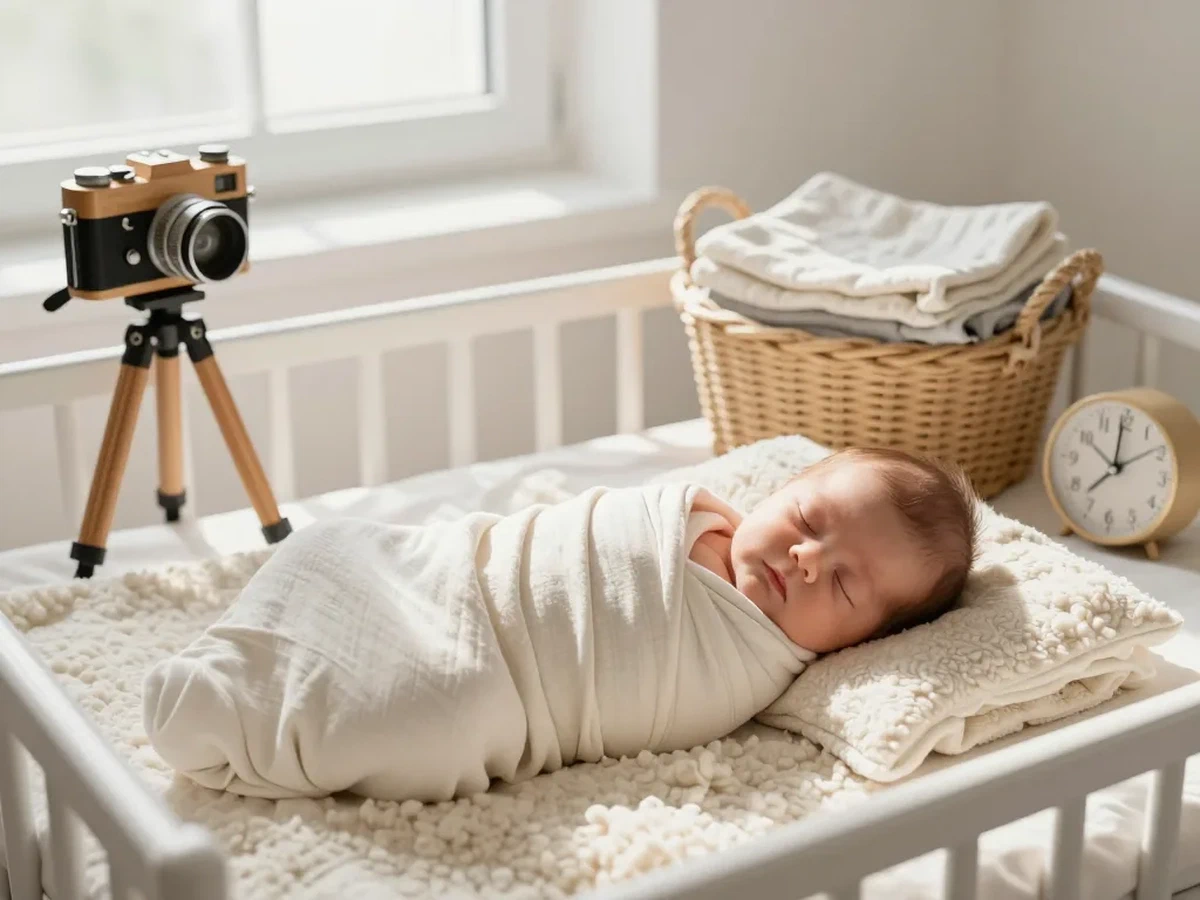
You’ve just welcomed your baby into the world, and between the sleepless nights and the blur of visitors, you’re already wondering how to carve out time for that perfect newborn portrait—without turning your day into a marathon. Most parents in Strasbourg are surprised to learn that a professional session isn’t a quick 20-minute snap, but a carefully paced experience that can stretch anywhere from two to four hours. In this guide, I’ll walk you through the real 2026 timeline, from arrival to final click, so you know exactly what to expect, how to plan your day, and why that “slow” pace is actually the secret to those dreamy, sleepy images you’re hoping for.
Why a Newborn Session Takes Two to Four Hours
That two-to-four-hour block on your photographer’s calendar in Strasbourg isn’t padding. It’s a rhythm built entirely around your baby. By 2026, most reputable studios and on-location photographers here have dropped the rushed one-hour “mini session” for newborns—it simply can’t deliver the safe, sleepy images families expect. Instead, they reserve a full morning or early afternoon. Here’s where the time actually goes.
The Baby’s Needs Drive the Clock
Your newborn’s feeding and sleeping rhythm dictates everything. A baby under two weeks old can’t be posed on command, so photographers build in 15–20 minute breaks for feeding, burping, and calming—often three or four times per session. Each pause is followed by gentle rocking to ease the baby back into drowsiness. Cluster feeding or a fussy hour? The photographer waits it out. That’s not wasted time; it’s the only way to prevent overstimulation and get the deep sleep needed for posing. A skilled photographer reads hunger cues before tears start, pausing preemptively to keep the room calm for everyone.
Photography Time Is Only Half the Story
Many parents are surprised to learn the actual shutter-clicking lasts just 60 to 90 minutes of that block. The rest goes to invisible work: repositioning tiny hands and feet for safe support, rewrapping swaddles in fresh fabrics, and—above all—waiting for the baby to hit deep, active sleep. Newborns cycle through light sleep constantly; a startle reflex can undo a pose in a second. So the photographer pauses, soothes, and waits until breathing slows and limbs go limp before the next setup. They’ll adjust the room’s heat, swap backgrounds, and clean up small messes. In Strasbourg, where sessions often happen in a home studio, that downtime also means a coffee and a quiet corner for you. So when you see that two-to-four-hour estimate, read it as a promise: your baby’s comfort, not the clock, shapes the final gallery. For a full session with digital files and a print credit, expect to pay €250 to €450 in 2026, depending on the photographer’s experience and whether you choose a studio or home visit.
The Standard 2026 Booking Window in Strasbourg
Book During Pregnancy, Shoot Within the First Two Weeks
Newborn photography in Strasbourg runs on a strict calendar in 2026, and it starts months before your baby arrives. Whether a photographer works from a home studio in the Krutenau or a bright atelier near the Parc de l’Orangerie, most will ask you to reserve your session date while you’re still pregnant—ideally between weeks 20 and 32. This isn’t excessive caution. It’s about locking a slot that aligns with your due date, because the shoot itself is then scheduled for days 5 through 14 after birth. That two-week stretch is the golden period in the city’s professional community. Call a photographer in January 2026, and you’re not booking a random Tuesday. You’re reserving a provisional date that shifts once your baby arrives, but only within that tight 5–14 day range. A deposit—typically €50 to €150—holds your priority window, and most photographers ask you to confirm the exact day within 24 hours of birth, often via a quick text from the maternity ward.
Why the 5–14 Day Window Matters
The push for this early window is physiological, not logistical. In the first five days, babies are still adjusting to life outside the womb, with jaundice and swelling that complicate posing. After day 14, a newborn’s nervous system starts waking up. Alertness increases, the startle reflex strengthens, and sleep cycles shorten. So a session at day 18 or 21 isn’t just harder—it’s longer and less productive. Within the 5–14 day window, a session typically runs 2 to 3.5 hours, including feeding breaks, soothing, and setup changes. After day 14, the same session can stretch to 4 or 5 hours, yielding fewer usable poses and a fussier baby. In Strasbourg, a standard newborn package runs €180 to €350, but the real cost of missing the window isn’t monetary. It’s losing those curled, sleepy, froggy poses parents cherish. Booking during pregnancy and shooting within the first two weeks keeps your baby flexible enough for classic wrapped shots, and it keeps the session calm and manageable. The 2026 reality is simple: the earlier you book, the shorter and sweeter your session.
The Pre-Session Consultation: Separate from the Shoot
Before the lights dim or a backdrop unrolls, the clock starts on a conversation that has nothing to do with photography itself. In 2026, nearly every professional newborn photographer in Strasbourg—whether shooting from a home studio in the Krutenau or traveling to your Orangerie apartment—builds in a dedicated pre-session consultation. This isn’t a quick hello before we begin. It’s a structured, separate appointment designed to save you time and tears on shoot day.
Phone or Video Call Lasting 15–30 Minutes
Expect a focused phone or video call, typically fifteen to thirty minutes long. We won’t dive into camera settings or lighting ratios. Instead, this is your moment to steer the creative direction. We’ll explore color palettes—muted sage greens, warm oatmeal tones, or the classic cream-and-blush neutrals that never age in Alsatian homes. We’ll review props, from woven baskets and knit wraps to the minimalist flat-lay setups gaining traction here. Crucially, we’ll confirm which family members will join—perhaps a wary older sibling or a grandmother hoping for a few frames. This call is your chance to ask logistical questions about my workflow, but it’s also where I manage expectations about feeding breaks, soothing techniques, and the simple truth that a baby’s mood sets the pace. None of this counts toward the 2–4 hour on-location timeline you’ve booked.
What to Prepare Before the Call
Come ready. Jot down a short list of must-have shots. Do you need that classic image of the baby alone, curled fetal on a soft cushion? Is a portrait with both parents holding tiny feet non-negotiable? Will the older sibling cooperate only for the first ten minutes, meaning we schedule that shot early? Also, gather any heirlooms—a grandmother’s lace bonnet, a hand-knitted blanket from your childhood, or a small piece of jewelry to drape near the baby’s hand. Having these ready and named on your list lets us weave them in without rummaging through drawers. In 2026, the best newborn photographers in Strasbourg treat this consultation as a contract of intent: you tell me what matters, and I design the session around it. The shoot itself remains a separate, uninterrupted block—typically priced from €250 to €450—where my only job is to translate your vision into images while your newborn sleeps, squirms, and occasionally demands a snack.
The Morning Start: Why 9:00–10:00 AM Is Standard
In 2026, the rhythm of a professional newborn session in Strasbourg is anchored to your baby’s biology and the photographer’s practical day. Nearly every experienced studio in the city—from the Petite France ateliers to quieter residential spaces near the Orangerie—books its first slot between 9:00 and 10:00 AM. This isn’t convenience; it’s a deliberate choice rooted in newborn alertness patterns and the need for a stress-free buffer.
Newborns are calmer in the morning. Between 9:00 and 10:00, most are still in that deep-sleep, post-feed “milk coma.” Their circadian rhythm, though immature, favors a quiet window after overnight cluster feeding. A baby who has just eaten and been changed is far more likely to stay drowsy and moldable for those classic curled poses. By late morning or early afternoon, many babies shift into a more alert, fussy period—stretching the session and frustrating everyone. Strasbourg photographers reserve these early hours for newborns specifically, knowing the first 60 to 90 minutes are the most productive. You’re not fighting your baby’s sleepiness; you’re working with it.
Here’s the practical reality: total session duration—usually 2.5 to 4 hours—includes far more than camera time. When your photographer says “three hours,” they mean from walk-in to walk-out. That’s why they ask you to arrive 10–15 minutes early. Those extra minutes let your baby settle, give you a moment for the restroom, and allow the photographer to adjust the room temperature (newborns need it warm, around 25–26°C). Then, 30 to 60 minutes go to setup and safety checks: sanitizing wraps, pre-warming the posing beanbag, testing the heating pad, organizing props. This isn’t wasted time—it’s the difference between a seamless session and a chaotic one. In effect, you’ll have roughly 1.5 to 2.5 hours of active shooting, with frequent breaks for feeding, burping, and cuddles. The morning start ensures that even with these buffers, you’re done by early afternoon, leaving the rest of your day free for rest. For 2026, expect a full studio newborn session in Strasbourg to range from €180 to €350 per session, depending on the photographer’s experience, the number of edited images, and whether you receive prints or digital files.
What Happens During the 2–4 Hour Session
In 2026, a professional newborn session in Strasbourg is rarely a quick, in-and-out affair. Most reputable photographers block out two to four hours for a single family, and for good reason: the session revolves entirely around your baby’s rhythms, not the clock. Here’s what you can actually expect once you arrive at the studio or welcome the photographer into your home.
Setup, Safety, and First Poses
The first 30 to 45 minutes focus on preparation and safety, not photography. Your photographer will warm the room to roughly 26–28°C—newborns lose heat rapidly, and a warm environment is non-negotiable for keeping them calm and sleepy. During this time, they’ll lay out a curated selection of props, wraps, and posing surfaces, and conduct a quiet but thorough safety check of every beanbag, basket, and fabric edge. This isn’t just a formality; in 2026, professional standards in Strasbourg demand that all posing surfaces are stable, breathable, and freshly laundered. Only after the room is warm and the props are secured does the photographer begin with solo baby shots—typically simple, curled poses on a neutral backdrop. These first images are the foundation, usually taken while your baby is in their deepest sleep, which is why the initial setup is so deliberate.
Feeding, Soothing, and Repositioning Cycles
Once the camera is out, the session settles into a predictable but organic rhythm: 10 to 15 minutes of active shooting, followed by a break. The break isn’t a pause—it’s the engine of the entire session. Your baby will need to feed, burp, or simply be soothed back to a deep sleep. A newborn’s stomach is tiny, and they often cluster-feed, so expect to nurse or bottle-feed every 45 minutes to an hour. During these breaks, the photographer will gently reposition your baby, swapping out wraps or adjusting a head support, always waiting for that calm, milk-drunk state before resuming. This cycle repeats several times, and it’s why the session lasts as long as it does. You’ll also have time for parent-and-baby or sibling shots, usually slotted into the calmer windows when your baby is content. As for cost, a full newborn session in Strasbourg in 2026 typically runs from €250 to €450 per session, which includes the photographer’s time, the extended session length, and the initial set of edited images—but always ask for a detailed breakdown before booking.
Adding Outfits, Props, and Family Shots
Once the core solo portraits are done, the session shifts into its more elaborate—and often more memorable—phase. This is where the timeline stretches, and for good reason. In 2026, most professional newborn photographers in Strasbourg build in at least two to three outfit changes, each far more involved than a simple onesie swap. Every swaddle, wrap, and tiny knit cap demands meticulous handling: the baby must be gently unwrapped, soothed if roused, repositioned, and re-wrapped to stay snug and secure. That process alone adds a solid 30 to 45 minutes to your total time. The photographer isn’t just changing clothes—they’re re-establishing the baby’s comfort zone, adjusting the studio heat, and often re-curling the baby into a fresh pose that suits the new fabric or prop. If you’ve chosen three distinct looks—say, a neutral muslin wrap, a textured knit romper, and a bare-chested shot with a soft bonnet—plan for that extra half-hour to three-quarters of an hour, with no rushing.
Parent and Sibling Shots
The second major time addition comes when you step into the frame. Parent and sibling poses are the emotional anchor of any newborn gallery, but they require a different kind of patience. For these 20 to 30 minutes, the photographer acts as a gentle director, coordinating your position on the posing bench, adjusting the angle of your hands, and ensuring the baby’s head is cradled at just the right height. Siblings—especially toddlers—add a variable no timeline can fully predict: a sudden snack request, a shy moment, or a burst of energy. The photographer will work around it, but you should budget for it. In Strasbourg, where family sessions often take place in home-style studio settings rather than stark clinical spaces, the photographer may also move you to a different backdrop or window light, adding a few minutes of setup. The key is understanding that this 20–30 minutes isn’t “one quick photo.” It’s a series of carefully orchestrated poses: the classic “baby in parent’s arms,” the sibling kiss on the forehead, the family huddle from above. Each requires re-settling the baby and re-checking focus and lighting. In 2026, most full newborn sessions in Strasbourg—including outfits, props, and family shots—run between 2.5 and 3.5 hours total. For the added complexity of multiple outfit changes and family participation, expect the full package to range from €180 to €350 per session, depending on the photographer’s experience and the number of final edited images. The time is worth it—these are the frames you’ll frame on the wall, not just scroll past on your phone.
Mini Sessions vs. Full Newborn Sessions in 2026
Researching newborn photographers in Strasbourg? One of your first decisions will be mini versus full session. Both have their place, but the timelines differ significantly—and knowing what you’re signing up for prevents frustration on the day.
The 1–1.5 Hour Mini Option
Many Strasbourg studios now offer minis as a streamlined, budget-friendly choice. These typically run 60 to 90 minutes from the moment you walk in. The trade-off: fewer poses—usually three to five—and the photographer focuses exclusively on your baby. Parent or sibling shots are almost always excluded, though some studios offer a single quick family frame as an add-on if time allows.
Minis suit parents who are realistic about their newborn’s temperament. If your baby sleeps well, feeds easily, and doesn’t mind handling, you can walk away with a beautiful, cohesive gallery in under two hours. However, in 2026, most Strasbourg photographers build in a 15–20 minute buffer for feeding, settling, and the inevitable nappy change. A fussy baby might push the session slightly over—but a good photographer never cuts corners to hit a strict limit. Expect mini pricing from €150 to €300 per session, depending on studio reputation and whether digital files are included.
When a Full Session Is Worth It
Want a complete gallery with multiple setups, family inclusion, and heirloom-quality images you’ll print large and keep forever? The full session is the standard. In Strasbourg, it typically lasts 2 to 4 hours—and that’s not marketing exaggeration; it’s practical necessity. Newborns dictate the pace. You’ll need time for feeding, burping, rocking, and resettling after each pose change. A full session lets the photographer work through four to six distinct setups: wrapped poses, unwrapped shots, macro details of tiny fingers and toes, and—crucially—parent and sibling portraits that don’t feel rushed.
The longer window also means your photographer can wait for those precious “deep sleep” moments when babies are most pliable. In 2026, full-session pricing in Strasbourg generally falls between €350 and €700 per session, with high-end studios offering custom albums or wall art at the upper end. If you’re investing this much, plan for the session to consume a good chunk of your morning or afternoon—and don’t schedule anything else that day. The extra time isn’t wasted; it creates the relaxed, unhurried atmosphere that yields truly timeless images.
How to Prepare for a Smooth 2026 Session
A professional newborn session in Strasbourg typically runs between two and four hours, but that clock starts ticking the moment you walk through the studio door—not when the photographer lifts the camera. In 2026, most local photographers still build this generous window into their pricing precisely because newborns operate on their own schedule, and the last thing you want is to feel rushed while your baby decides whether to cooperate. To make the most of that time, your preparation begins at home, hours before the session.
Feed and Dress the Baby Strategically
The golden rule for a smooth session is to keep your baby awake for one to two hours before you leave the house. A gently tired baby will drift into that deep, pliable sleep that allows for those curled-up, womb-like poses. Then, feed your baby right before you walk out the door—a full tummy is your best ally. Dress your little one in loose, easy-to-remove clothing, like a simple zip-up onesie or a wrap-style top. Avoid anything that goes over the head or has fiddly buttons; the less you have to wiggle and jostle your baby, the less likely they are to wake up mid-transition. A baby who stays asleep through the unswaddling and repositioning is a baby who lets the photographer work their magic efficiently.
Pack the Essentials
Your diaper bag should be a mini survival kit. Bring double the milk you think you’ll need—whether breastmilk, formula, or a ready bottle—because a hungry baby can derail a session in minutes. Pack a generous supply of diapers and wipes, plus a pacifier even if your baby doesn’t usually take one (it works wonders for soothing between poses). A familiar swaddle or muslin blanket from home will also help your baby feel secure in an unfamiliar studio. For parents who want to be in a few shots, wear neutral, solid colors—think cream, soft grey, or muted beige. Avoid busy patterns, bold logos, or stark white, which can reflect light unevenly onto your baby’s delicate skin.
Plan for a Flexible Afternoon
Do not schedule anything after your session. No errands, no visitors, no video calls. The two-to-four-hour window is a guideline, not a guarantee; if your baby needs extra settling, a good photographer will happily extend the session by 20 or 30 minutes without rushing you out the door. In 2026, most Strasbourg studios charge from €150 to €350 for a full newborn session, which includes the extended time, the photographer’s expertise, and typically a handful of edited digital images. But the real investment is your patience—so clear your afternoon, breathe, and let the session unfold at your baby’s pace. A flexible mindset will not only keep your baby calm but will also give you the space to enjoy watching your newborn become the star of their very first portrait.
Conclusion
A professional newborn photo session in Strasbourg typically lasts two to four hours. That extra time isn’t for clicking the shutter—it’s built in for feeding, soothing, and capturing those perfectly posed moments. In 2026, most local photographers still follow a slow, baby-led rhythm, so expect a relaxed morning or afternoon rather than a quick appointment. The timeline has less to do with the clock and more with flexibility. Book your session when your baby is between 5 and 14 days old, and set aside that half-day window with no other commitments. Your next step is simple: contact a Strasbourg newborn photographer now to hold a tentative date around your due date, then confirm the exact time once your little one arrives. That way, you’ll arrive at the studio calm, prepared, and ready to let the session unfold naturally.