Your First Newborn Photography Session in Strasbourg: A Complete 2026 Parent’s Guide
Planning your first newborn photo session in Strasbourg? Discover what to expect in 2026—timing, safety, props, and tips for a stress-free shoot.
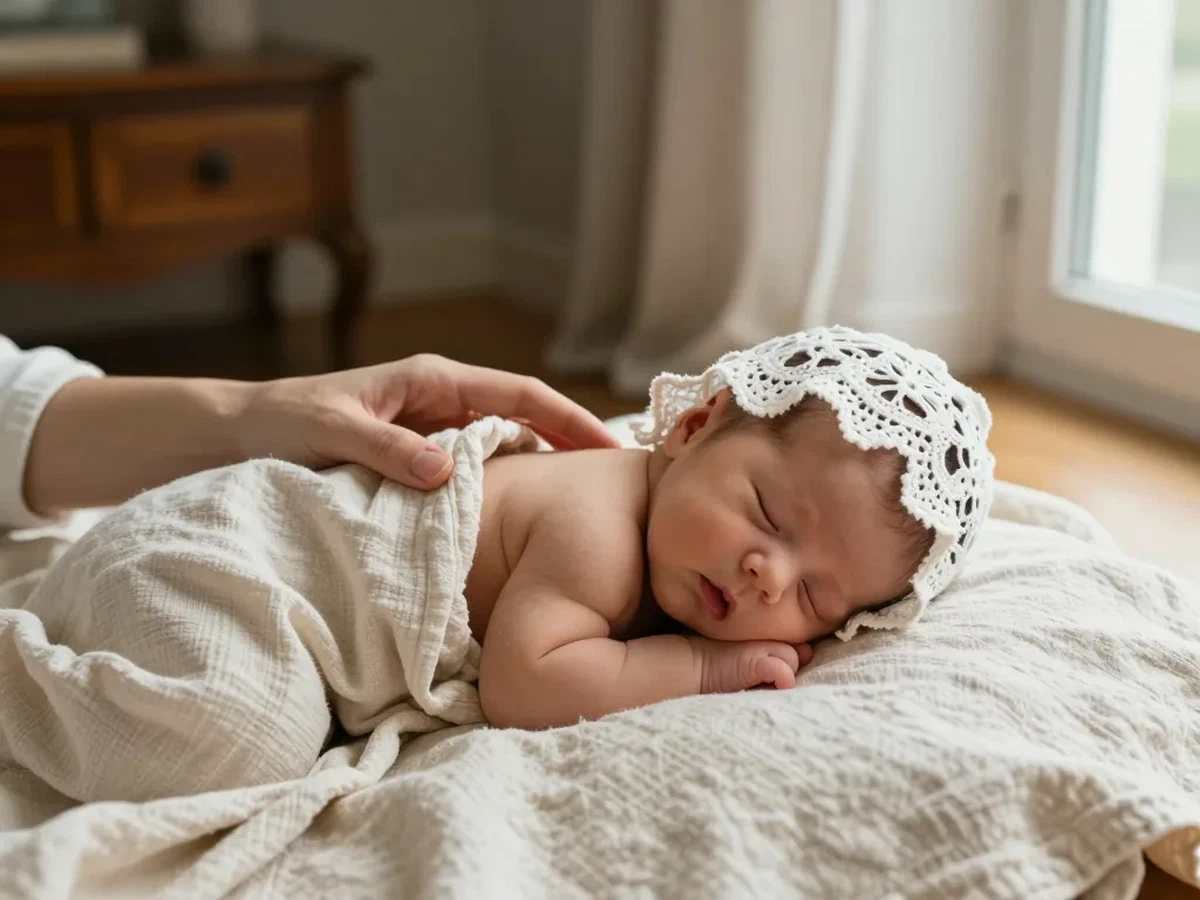
The first weeks with your newborn are a blur—sleepless nights, tiny fingers, fleeting moments you’ll want to hold onto forever. By 2026, Strasbourg’s photography scene has shifted, with new studio styles and stricter safety protocols. That makes your first session exciting, yes, but also a little overwhelming. So here’s a guide to the whole journey: booking, preparing your baby, stepping into the studio, and managing the session’s rhythm with confidence. You’ll learn what to expect, what to pack, and how to let go enough to savor both the photos and the experience itself.
Why Timing Matters More Than You Think
Every Strasbourg parent hears the same advice from friends, pediatricians, and photographers alike: book early, and plan for the first two weeks. In 2026, newborn photographers here almost exclusively schedule sessions within that 14-day window after birth. This isn’t about convenience—it’s biology. During those first two weeks, your baby is still in what photographers call the “womb stage”: sleeping deeply, curling naturally into the fetal position, and tolerating gentle posing without startling awake. By week three, many newborns grow more alert, stretch out their limbs, and develop the startle reflex that makes safe, curled posing far harder. For those classic, sleepy, hands-under-chin images in every portfolio, that early window is non-negotiable.
Because the window is so narrow, Strasbourg photographers cap their schedules at just two to four newborn sessions a month. Your due date is effectively a placeholder—reserve it as early as your second trimester. Waiting until after birth to call around will almost always leave you with no openings, or worse, a photographer fully booked for the month. A deposit of roughly €50 to €150 secures your spot, with full packages ranging from €150 to €400, depending on the studio’s experience and whether you choose a home session in Robertsau or a studio near Petite France.
Most sessions run between 9:00 and 12:00 in the morning. That’s not arbitrary—after a night of feeding, newborns are naturally more settled, and their sleep cycles run deeper. Expect the session to last two to three hours, sometimes longer. And here’s the honest truth every parent should hear: it won’t be a continuous photoshoot. You’ll spend significant time pausing for feeding, burping, and soothing. Your baby will need changing, cuddling, and rocking back to sleep. None of this signals a problem—it’s simply the rhythm of newborn photography. A skilled Strasbourg photographer builds these pauses into the schedule, and the final images reflect that patience. Bring extra formula or breast milk, a pacifier, and a swaddle that smells like you. The more relaxed you are, the more relaxed your baby will be—and the more beautiful the results.
Choosing the Right Photographer in Strasbourg
Your newborn’s first professional portrait session is a once-in-a-lifetime experience. The photographer you choose shapes not only the images but also your baby’s safety and comfort. In Strasbourg, where French and German cultures blend seamlessly, options abound—but so do pitfalls if you don’t know what to look for. Here’s exactly what to vet before you sign anything.
Verifying Credentials in 2026
French law is unambiguous: any professional photographer working with newborns must hold a valid certificat de travail and be registered with URSSAF, the French social security system for self-employed workers. This isn’t bureaucratic red tape—it’s your legal shield. A registered photographer has declared their activity, pays social charges, and is subject to French health and safety inspections. Before booking, ask for their SIRET number, the 14-digit unique identifier. Then go to the official French government website annuaire-entreprises.data.gouv.fr and type it in. You should see their business name, activity code, and registration date. If the number doesn’t match, or if they hesitate to provide it, walk away. Beyond legality, this verification ensures the photographer has liability insurance—crucial if an accident were to occur during a session. In 2026, many local studios in Strasbourg, especially those in the Petite France and Neudorf districts, proudly display their SIRET on their websites. If you don’t see it, ask directly. A legitimate professional will appreciate your diligence.
Language and Contract Considerations
Strasbourg’s cross-border location means many photographers offer sessions in French, German, and often English. That’s a wonderful convenience. But here’s the non-negotiable: all contracts and legal documents must be in French. Under French consumer law (Article L111-1 of the Consumer Code), any contract for services provided in France must be drafted in French to be fully enforceable. This protects you in case of a dispute—a French-language contract is the only one a tribunal will accept. So even if you communicate with your photographer in German or English, request a French version of the agreement before paying any deposit. The contract should clearly state the session duration (typically 1.5 to 3 hours for newborns), the number of edited images you’ll receive, the delivery timeline, and the cancellation policy. Also ask about the retouching policy—some photographers include basic skin smoothing, while others charge extra for advanced edits. A transparent contract will list all of this in French, with no ambiguous terms. If the photographer cannot or will not provide a French contract, consider that a red flag, regardless of how beautiful their portfolio looks.
Home Sessions vs. Studio Sessions
Researching newborn photographers in Strasbourg? Your first big decision is where the session happens. That choice shapes everything—preparation, travel, and the final look of your gallery.
The Petite France Home Advantage
Strasbourg’s historic core, especially the picture-perfect Petite France district, winds through half-timbered houses and narrow cobblestone streets. Tourists adore it; photographers find it tricky. Dedicated studio spaces are scarce and pricey here, so many of the city’s top newborn specialists work as mobile photographers, coming straight to you. That’s a real win: no car seat juggling, no packed diaper bag, no commute disrupting your baby’s feeding rhythm. Your little one stays in familiar surroundings, which often means deeper sleep and easier settling.
To pull this off, prep one specific room. Pick the warmest, quietest spot—usually the living room or master bedroom. Clear a two-by-two-meter floor area for the posing beanbag, backdrop stands, and lights. Keep a separate changing zone nearby, with a mat and wipes within reach, since newborn shoots involve frequent nappy changes and outfit swaps. Expect the photographer to ask for the heating cranked to 26–28°C; babies pose best when they’re snug and sound asleep.
Studio Sessions for Controlled Lighting
Prefer a sleeker, studio-polished look? You’ll likely drive toward Strasbourg’s outskirts or neighborhoods like Cronenbourg or Meinau, where larger commercial spaces live. Studios bring two clear perks: consistent, professional lighting that ignores Alsatian weather, plus a huge stash of props, wraps, and backdrops no mobile photographer could haul. No housecleaning or furniture rearranging needed—but you must travel with a newborn. Budget at least 45 extra minutes before the shoot: the car ride, the inevitable feed on arrival, and a calming cuddle so your baby is milk-drunk and camera-ready. In 2026, typical newborn session pricing in Strasbourg runs €180 to €450 per session, whether home or studio, with travel fees sometimes added for home visits outside the city center. Choose what matters more: home’s convenience and comfort, or a studio’s controlled perfection and prop variety.
Preparing Your Home for the Session
Temperature and Comfort
Strasbourg’s climate in 2026 can be deceptive—you might step out into a crisp 3°C January morning or a humid 24°C August afternoon, but inside your home, the atmosphere will be entirely different. Your photographer will deliberately raise the room temperature to 25–28°C, mimicking the warmth of the womb to keep your newborn sleepy, relaxed, and safely curled into those classic poses. This means you will feel noticeably warm, especially if you’re already running on adrenaline and coffee. Dress in light layers: a breathable cotton top and removable cardigan work well. Avoid heavy knitwear or anything you’d normally wear outdoors in winter—you’ll be seated close to the action, and the last thing you want is to be sweating while trying to soothe a fussy baby. Also, ask your photographer to turn off any radiators or underfloor heating in the rest of the home; you’ll want the hallway and living room cooler for yourself, while the shooting corner stays toasty.
The Preparation Checklist
During your pre-session consultation—usually held via video call or in-person about two weeks before the shoot—your photographer will hand you a tailored preparation checklist. While every studio’s list varies slightly, the core items are consistent across Strasbourg’s professional newborn photographers in 2026. First, plan to feed your baby fully immediately before the photographer arrives. A milk-drunk baby is a sleepy baby, and a full tummy buys you those precious 20-minute windows of deep sleep. Second, prepare a dark, quiet room—ideally the nursery or a bedroom with blackout curtains. Newborns are easily overstimulated, and a dim, silent space is non-negotiable for smooth posing. Third, clear a small table or corner for the photographer’s gear: camera bodies, lenses, wraps, and a portable heater often take up more space than you’d think. Finally, gather a few personal props: a knitted blanket from your grandmother, a tiny pair of baby shoes, or a family heirloom necklace. Have your bottle or nursing supplies within arm’s reach, plus a stack of extra diapers and wipes—you’ll go through more than you expect. Place all of this in a single basket near the shooting area. This preparation might feel like a small logistical puzzle, but it transforms your home into a professional studio, allowing the session to flow without interruptions. And remember: your photographer will bring their own posing beanbag, backdrops, and heating equipment, so you don’t need to buy anything new—just make the space available.
Pricing note: For a full newborn session in Strasbourg in 2026, including home preparation guidance and digital gallery, expect to pay from €180 to €350 per session, with additional prints or albums ranging from €50 to €150 per item.
The Pre-Session Consultation
Before the big day, almost every Strasbourg-based newborn photographer will schedule a consultation—over the phone, via video call, or in person at their studio. This isn’t a formality; it’s the most valuable hour you’ll spend in the entire process. Think of it as laying the foundation for images you’ll treasure for decades, turning a generic photo shoot into a deeply personal keepsake.
What to Discuss
Come with a list, but also an open mind. The photographer will walk you through their preparation checklist—feeding schedules, room temperature, what to bring for yourself (snacks, water, a book). This is the moment to talk props. Most Strasbourg photographers keep a curated collection of neutral wraps, wooden crates, and soft baskets, yet they’re happy to incorporate your own items. Be specific: do you want a minimalist, airy look with whites and beiges, or something moodier with deep greens and terracotta? Bring photos from their portfolio you love—and, just as importantly, ones you don’t. Ask about the session’s flow: how long they typically need for feeding breaks, how they handle a fussy baby, whether they use a space heater or white noise machine. This is also your chance for practical questions: how many edited images you’ll receive, the turnaround time for the gallery, and the price range for prints and albums, which in 2026 typically runs from €180 to €450 for a full session package, with digital-only options starting slightly lower.
Cultural and Family Preferences
Strasbourg is wonderfully multicultural, and professional newborn photographers here are used to weaving diverse traditions into their work. Want to incorporate a traditional Alsatian blanket with its iconic red and white patterns? Say so during the consultation—the photographer can plan the color palette around it so the blanket doesn’t clash. Perhaps you’d like to include a family heirloom, like your grandmother’s christening gown or a hand-carved wooden rattle from the Black Forest. That’s perfect, but let the photographer know in advance so they can sanitize it and test how it photographs. For families observing specific religious or cultural practices, communicate early if you want a blessing item, a specific book, or even a piece of jewelry placed near the baby. If you’re raising your child bilingually, you might request that the photographer subtly incorporate both languages into the session—for example, a wooden block with the baby’s name in French and German, or a prop featuring a word from your heritage. The more context you provide, the better the photographer can prepare backgrounds, lighting, and styling that honor your family’s story rather than relying on a generic template.
What Actually Happens During the Session
The Flow of a Typical 2–3 Hour Shoot
Forget the perfectly posed newborns you see on social media—the reality is far more organic, and that’s exactly how it should be. Your session is baby-led, not clock-driven. You’ll arrive at the studio (or the photographer arrives at your home, if you’ve chosen an in-home session) with your little one already fed and drowsy, ideally. The first ten to fifteen minutes are about settling: the photographer checks the room temperature, lays out soft wraps and props, and lets you get comfortable on a nursing chair. Then begins the gentle rhythm of the next two to three hours. Expect a cycle: a feed to reach that “milk coma” state, a short window of five to ten minutes of active posing, then another pause for soothing, a nappy change, and another feed. Your photographer handles all the physical positioning—twisting a leg, tucking an arm—but your role is crucial. You’ll be right there, within arm’s reach, ready to offer a pacifier, a finger to hold, or a warm bottle the moment your baby stirs. The final twenty minutes are usually reserved for parent and family shots, where you’ll sit or lie beside your baby on a posed blanket while the photographer captures that raw, exhausted, utterly smitten connection.
Posing and Safety Protocols
In 2026, safety is non-negotiable, and a professional Strasbourg photographer will be vocal about it. No pose is ever forced. If your baby is crying, arching their back, or simply not having it, the session pauses—no questions asked. You should never feel pressure to “push through” a crying spell; breaks are built into the schedule precisely for this reason. For tricky shots—like the classic “froggy” pose or a baby resting their chin on their hands—photographers use composite techniques. They photograph your baby in one safe, supported position (often with a parent’s hands cupping the head or holding the torso), then take a separate shot of the background, and merge the two in editing. The final image looks like the baby is unsupported, but in reality, they were never left alone for a second. A reputable photographer will also have a certification in newborn safety, use a space heater to keep the room at a cozy 26–28°C, and will never place a baby on an elevated surface without a spotter. If you ever feel uneasy about a position, say so—a good photographer will immediately adjust. For a full newborn session in Strasbourg, including digital images and a print release, you can expect to invest anywhere from €180 to €450 per session, depending on the studio’s reputation and whether you choose a mini or full package.
What to Wear and What to Bring
Walking into your newborn session in Strasbourg feeling prepared makes all the difference—not just for the photos, but for your own peace of mind. Here is exactly what to pack and put on, so you can focus entirely on your baby.
For Parents and Siblings
Light, neutral layers work best. Soft whites, creams, and muted earth tones—oatmeal, dusty beige, warm taupe—photograph beautifully and keep the focus on your baby. Skip busy patterns, bold stripes, and bright logos; they distract the eye and date your images quickly. Solid, textured fabrics like linen, chunky knits, or soft cotton add depth without overwhelming the frame. Because most newborn studios in Strasbourg keep the room deliberately warm—around 26–28°C—you’ll likely overheat within minutes. Wear a thin base layer and bring a simple change of clothes, especially if you tend to flush or sweat. For siblings, keep it equally simple: comfortable, well-fitted neutral outfits that let them sit, snuggle, and move freely without constant adjustment. Avoid stiff collars and scratchy fabrics; a happy toddler makes for a natural, candid shot.
For the Baby
You don’t need to bring outfits. Most professional newborn photographers in Strasbourg provide a full wardrobe of wraps, stretchy muslins, bonnets, headbands, and hand-knitted props, all washed between sessions and chosen to match their lighting and backdrops. That said, if you have a favorite swaddle, a family heirloom blanket, or something sentimental—a grandparent’s lace, a tiny knitted hat—bring it along. The photographer can easily weave it into a few setups, giving you deeply personal keepsakes. Beyond that, pack generously: at least six to eight diapers (newborns go through them fast during posing), a full pack of wipes, and a spare onesie for accidents. If you bottle-feed, bring a pre-made bottle and a way to warm it; if you breastfeed, pack a nursing cover or lightweight muslin for discreet breaks. Consider a pacifier if your baby uses one—it helps soothe between poses—and a small familiar toy or white-noise app on your phone to recreate that womb-like calm. Remember, the session moves at your baby’s pace, so feeding and cuddling are expected and welcomed.
After the Session: Delivery and Legalities
Viewing and Selecting Images
By 2026, a Strasbourg newborn photographer’s digital workflow is impressively smooth—yet patience still pays off. Most pros send a private, password-protected online gallery within one to two weeks after your session. That gallery becomes your proofing room, where you browse a curated set of the day’s best shots. Your package usually includes a set number of edited, high-resolution digital files, often between 10 and 20, depending on what you chose. From there, you pick your favorites, and the photographer handles final retouching on those specific images. Expect optional add-ons like fine-art prints, framed wall art, or a premium leather-bound album—these upgrades almost always surface at this stage. One thing to pin down early: the exact delivery timeline, confirmed during your initial consultation. Some studios offer rush editing for a fee; others take the full two weeks, especially during busy autumn and spring seasons. Knowing this upfront spares you any post-session worry.
Your Rights as a Consumer
French consumer law becomes far less daunting once you know your anchors. Under the Code de la consommation, you’re legally entitled to a 14-day cooling-off period after signing a service contract. But here’s the catch: that right often gets waived for “custom-made” or highly personalized services—and a newborn session, booked for a specific date with bespoke editing, frequently fits that description. That’s why you must, without fail, request a written contract in French before paying anything. The document should spell out the number of final images, the editing scope (skin smoothing, background cleanup, etc.), the exact delivery window, and usage rights. That last point matters most: clarify whether you’re buying personal-use rights only, or if the photographer may use your baby’s images for their portfolio or social media. Finally, ask for an itemized invoice and keep digital copies of the contract and all correspondence. It protects you legally and guarantees a transparent, stress-free experience with your photographer.
Your first newborn photography session in Strasbourg is calm and unhurried, built entirely around your baby’s needs. Expect feeding breaks, gentle posing, and a photographer who follows your family’s rhythm rather than forcing their own. Preparation matters more than perfection. Book your session between days 5 and 14 after birth, keep your home warm and cozy, and let your photographer handle the rest. By the end, you’ll have more than beautiful images—you’ll hold a precious record of those fleeting early days. Your next step is simple: reach out to a local Strasbourg photographer today and secure your session date before your baby arrives.